It’s late at night, the house is quiet, and you hear it again — that annoying sound of water running in the toilet. If your toilet never seems to stop refilling or makes noise long after a flush, you’re dealing with a classic plumbing issue. The good news? It’s usually easy to fix. You just need a little guidance, patience, and a few tools. This guide will walk you through everything you need to know about stopping that running toilet once and for all.
A running toilet might seem harmless at first, but it’s actually a sign that something inside the tank isn’t working properly. Toilets are designed with a simple but precise system: after you flush, the tank empties, the flapper seals back up, and the fill valve refills the tank to the right level. If any part of this cycle fails, the water keeps flowing.
You may have a loose flapper, a float that’s not adjusted correctly, or a faulty fill valve. In Sydney homes, especially older ones, mineral buildup from hard water can also affect how these parts work over time. Understanding the cause is key to knowing how to fix it.
You might notice a toilet that seems to run on and off by itself. Maybe the bowl fills when nobody's used it. Or maybe you hear hissing or trickling sounds that don’t go away. All of these are signs your toilet is leaking water from the tank into the bowl when it shouldn’t be. A quick way to test this is by putting a few drops of food coloring into the tank. Wait 30 minutes without flushing. If the color appears in the bowl, your tank is leaking — and it's time for a fix.
Letting a running toilet continue for days or weeks might not seem urgent, but it definitely comes at a cost — to your wallet, your plumbing system, and even the environment.
A running toilet can waste up to hundreds of litres of water a day. That can add dozens of dollars to your monthly water bill, especially if you’re in a place like Sydney where water conservation is important. Over time, that leak is like money going right down the drain.
If the overflow tube or valve fails completely, water could spill from the tank, damaging floors, baseboards, or even the ceiling below if your bathroom is upstairs. What started as a small leak can lead to major repair costs. Ignoring it isn’t worth the risk.
You won’t need a full toolbox, but a few essentials will make this job easier. Grab some adjustable pliers, rubber gloves, a sponge or towel to soak up any water, and maybe a replacement flapper or fill valve kit. Most parts are universal and can be found at any hardware store in Sydney. Take your old part with you to make sure you get the right size.
Let’s walk through the exact steps you’ll need to fix this issue at home.
Look behind the toilet near the floor — you’ll see a shutoff valve. Turn it clockwise until it stops. This will cut off the water so you can work without worrying about flooding your bathroom.
Open the tank lid and take a look at the rubber flapper at the bottom. If it’s warped, cracked, or doesn’t sit flush on the valve seat, water will keep leaking into the bowl. Replacing it is simple: unhook the chain, remove the old flapper, and pop on a new one. Test it by turning the water back on and watching if it seals better.
The float controls how much water fills the tank. If it’s set too high, water spills into the overflow tube and keeps the valve open. For float arms, gently bend the rod downward to lower the float. For float cups, squeeze the clip on the side and slide it down slightly. You want the water to stop about 2.5 cm below the top of the overflow tube.
If adjusting and replacing the flapper didn’t help, your fill valve might be faulty. Turn off the water, empty the tank, unscrew the old valve, and install a new one. Most come with clear instructions and are designed to fit standard toilets. This step usually fixes stubborn running issues once and for all.
Some toilets don’t run constantly but refill randomly every hour or two. That’s usually a slow leak — often caused by a poorly sealed flapper or a dirty flush valve seat. Even a tiny amount of debris or a small warping in the rubber can let water seep out. Try cleaning the valve seat or replacing the flapper with a high-quality one.
If the toilet keeps running after every flush and doesn’t shut off, it’s usually because the fill valve can’t detect that the tank is full. In Sydney, sediment from hard water can clog the valve and prevent it from working properly. Replacing it with a newer, high-efficiency model designed for Aussie water pressure often solves the issue.
Toilet parts don’t last forever. Rubber flappers harden, seals wear out, and fill valves lose precision over time. Instead of patching things repeatedly, replacing the worn-out components can save you from future leaks. Plus, modern parts use less water and can lower your monthly bill. It’s a win-win.
Not every fix goes smoothly. If you’ve tried replacing parts and adjusting floats but the toilet still won’t behave, it’s time to call in a licensed plumber toilet repair expert.
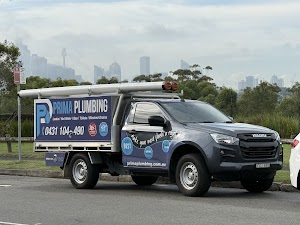
At Prima Plumbing Sydney, our team has fixed thousands of running toilets across the city. We know the quirks of Sydney’s plumbing systems and can quickly identify what’s causing the issue — even if it’s something hidden like a cracked overflow pipe or internal leak. Our plumbers carry high-quality parts that work with most brands, so the fix is done right the first time.
Fixing your toilet isn’t just good for your wallet — it’s also good for the environment. A running toilet wastes thousands of litres each month, which puts unnecessary strain on local water systems. Sydney faces ongoing water conservation challenges, so doing your part makes a big difference. Small fixes add up, and being proactive helps reduce your household’s environmental footprint.
A running toilet might seem like a minor annoyance, but left unfixed, it can waste water, raise your bills, and even cause damage to your home. Most of the time, the fix is simple — you can replace a flapper, adjust a float, or swap out a fill valve in under an hour. And if things get complicated, Prima Plumbing Sydney is just a call away. We’ll get your toilet working efficiently again so you can stop worrying and enjoy peace and quiet once more.
The most common reason your toilet won’t stop running is a worn-out or poorly sealing flapper. This little rubber piece at the bottom of the tank controls the flush. When it doesn’t close properly, water leaks into the bowl, making the fill valve keep refilling — nonstop. It’s a tiny part but a big culprit.
If your toilet keeps clogging, try using a plunger to break up the blockage. For tougher clogs, a toilet auger or drain snake might be needed. Repeated clogging could also point to a deeper plumbing issue, like poor flushing power or buildup in the drain line. A visit from a professional plumber toilet repair expert in Sydney can help diagnose it properly.
Fixing a running toilet usually costs between $80 and $200 in Sydney, depending on the issue. If it's something simple like a flapper or valve replacement, it’s on the lower end. But if internal parts need replacing or there's a hidden leak, the cost can go up. Prima Plumbing Sydney offers honest, upfront pricing for all repairs.
Ghost flushing happens when your toilet seems to flush by itself, even though no one touched it. This spooky sound usually means water is slowly leaking from the tank into the bowl — often from a worn flapper or cracked flush valve. As the tank refills, it mimics a flush. It’s annoying but fixable with a plumber’s help.
The most common issue is a flapper that won’t seal correctly. Whether it’s warped, dirty, or tangled with the chain, a bad seal keeps water leaking into the bowl. That nonstop leak keeps triggering the fill valve, so the tank keeps refilling. A simple flapper replacement often solves it.
In Sydney, a plumber might charge anywhere from $120 to $250 to replace a toilet fill valve, depending on access and labour involved. The part itself is inexpensive, but the skill to install it without causing leaks matters. Prima Plumbing Sydney offers competitive rates and guarantees quality service.































© Copyright 2025 Prima Plumbing. All rights reserved
Lic: 466489C
ABN 35 668 552 976