Ever noticed your electricity bill climbing higher every month and wondered if your hot water system could be the reason? If you're still using a storage water heater, you’re not alone. Many Sydney homes rely on these traditional systems. But here’s the thing — they’re not exactly energy-efficient. So, do storage water heaters use more electricity? Spoiler alert: yes, and we’re about to show you why — and what smarter choices you’ve got. Let's break it all down with simple facts, helpful advice, and real solutions from Prima Plumbing, your trusted Sydney plumber.
If you’re looking for reliable storage water heater services in Sydney, Prima Plumbing offers professional installation, repairs, and replacements right here.
A storage water heater does exactly what the name suggests — it stores hot water in a tank, keeping it warm 24/7 until someone needs it. Inside the tank, either an electric or gas-powered element heats the water. The thermostat makes sure the water stays at a set temperature, usually between 60°C and 70°C.
Storage water heaters keep water hot all day and night, even when you’re not using it. This constant reheating is called standby heat loss. Think of it like a kettle that keeps reheating even if no one’s making tea — that energy gets wasted fast.
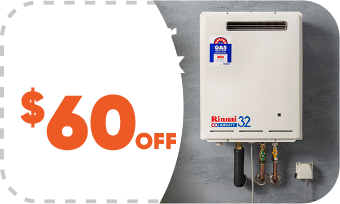
Instant (continuous flow) systems only heat water when needed. No storing, no reheating — saving electricity and lowering costs.
Electric storage models typically use more electricity than gas models. Gas systems are a bit more efficient but still lose energy over time. Off-peak rates can help but don’t eliminate waste.
While the upfront cost may seem cheaper, storage heaters can cost hundreds more each year in power bills since they heat water continuously.
Storage systems are prone to tank corrosion, thermostat issues, and element breakdowns. Over time, repairs add up.
Constant heating increases your carbon footprint, especially if powered by non-renewable electricity sources.
Once the tank is empty, you must wait for it to refill and reheat — inconvenient for busy households.
Storage units take up significant space, unlike compact continuous flow systems.
Running out of hot water means waiting 30 minutes to over an hour for reheating, depending on size and model.
These systems heat water only when needed, providing endless hot water while saving energy.
No tank, no standby heating — reducing energy use by 20–40% compared to storage systems.
Endless hot water, compact design, and lower running costs make them ideal for families and small businesses.
These use electricity differently — by extracting heat from the air — making them efficient even in cooler climates.
Harnessing solar energy is a sustainable, cost-effective option with NSW rebates making it more affordable.
Storage units cost less upfront, but modern systems may qualify for rebates or incentives.
Switching can save $2,000–$4,000+ over 5–10 years in energy and maintenance costs.
Bigger families need higher flow rates. Smaller households can choose compact systems — Prima Plumbing helps you assess the best fit.
More stars mean lower bills. Modern heaters generally have better ratings.
If space is tight, continuous flow is best. Solar and heat pumps are ideal for long-term savings if you’ve got room and budget.
NSW and federal rebates can cover up to 50% of costs for eligible efficient systems.
More Sydney households are choosing to cut emissions and lower bills by upgrading their water heating systems.
Need help choosing the right system? Prima Plumbing offers free consultations across Sydney.
Our licensed plumbers install and repair all major brands — Rheem, Rinnai, Bosch, Dux and more.
From Parramatta to Bondi, we deliver local expertise and reliable service.
Book your water heater service with Prima Plumbing today
Yes, storage water heaters use more electricity — the longer you rely on one, the more you’ll pay. The good news? You have options. From continuous flow to heat pumps and solar setups, there are smarter, cheaper, greener systems ready for your Sydney home. Reach out to Prima Plumbing and get your hot water sorted the right way.
Ready to cut down on electricity costs and get a more efficient system? Contact Prima Plumbing’s Storage Water Heater Sydney experts today and make the switch with confidence.
The biggest downside is energy loss from heat escaping the tank even when not in use. This standby heat loss means higher electricity bills.
Yes. Instant or tankless heaters heat water only when needed, eliminating standby heating and saving on electricity costs.
On average, an electric storage heater uses 3–5 kWh per day — adding up quickly in high-use homes.
No. Keeping it on continuously wastes energy. Using a timer or running it off-peak can help reduce unnecessary use.
Yes. Some models have better insulation and smart thermostats. Look for high energy-star ratings or solar-assisted systems for better efficiency.





























© Copyright 2025 Prima Plumbing. All rights reserved
Lic: 466489C
ABN 35 668 552 976